Last updated: October 4, 2026
Building a Plant-Based Menu That Doesn’t Feel Like a Substitute
The goal isn’t a vegetable version of a turkey dinner, it’s a genuinely good meal that happens
to be plant-based. Dishes built around their own strengths, rather than mimicking meat, tend to
satisfy the whole table better, including omnivores.
A Main That Holds Its Own
A stuffed squash (butternut or acorn, filled with grains, nuts and dried fruit), a wellington
(puff pastry wrapped around mushrooms and lentils), or a hearty mushroom and root vegetable pot pie
all work as genuine centerpieces rather than a side dish standing in for a main.
Sides That Work for Everyone at the Table
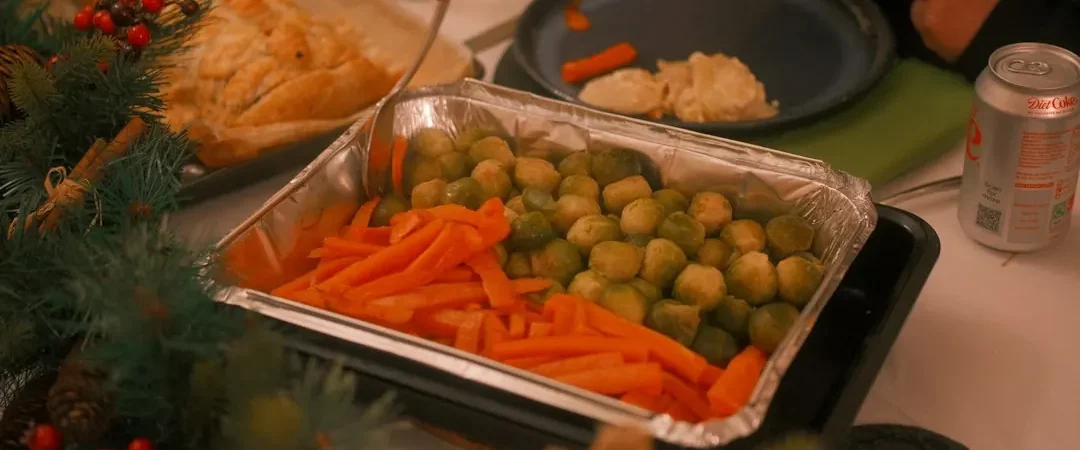
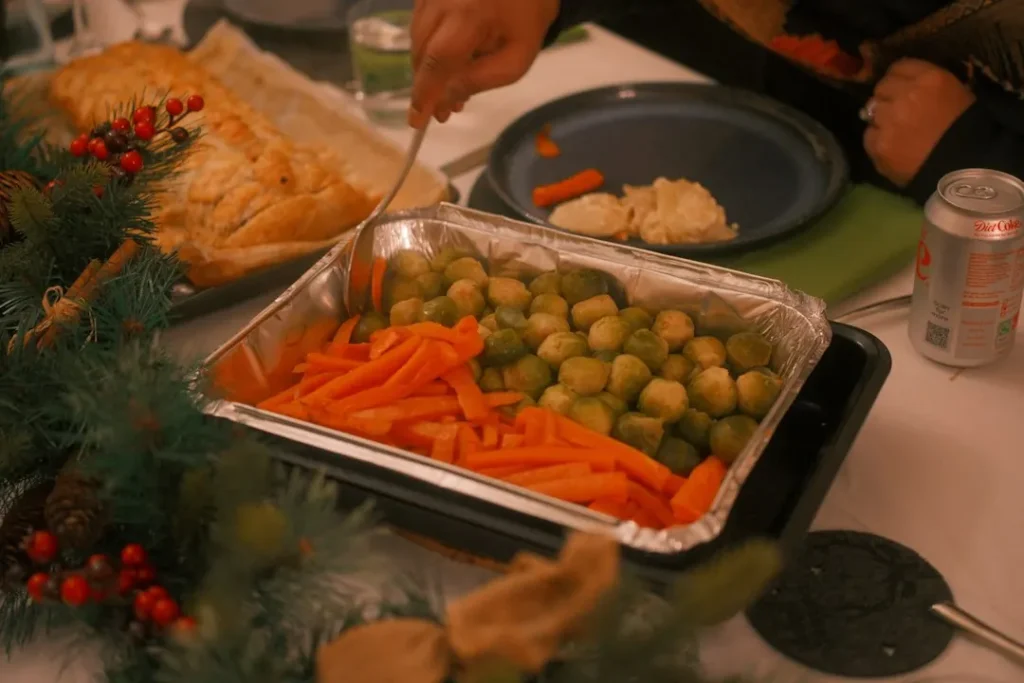
Roasted root vegetables, a good grain salad (farro or wild rice with cranberries and nuts), and
garlic mashed potatoes (made with olive oil or plant butter) are naturally vegan and popular with
non-vegetarians too, no one needs to know they’re eating the “vegan version.”
Dessert That’s Naturally Dairy-Free
A fruit-based crumble (oat topping, plant butter) and dark chocolate options (many dark
chocolates are naturally dairy-free, check the label) both avoid the common vegan-dessert texture
issues that come from egg or dairy substitution in cakes.
Recipe: A Stuffed Squash Centerpiece
Halve two medium squashes, such as butternut or acorn, and scoop out the seeds. Brush with oil, season with salt and pepper and roast cut side down at about 200°C (400°F) for 30 to 40 minutes until tender. Meanwhile, cook a cup of grains such as rice, quinoa or farro. Sauté a chopped onion, garlic, celery and mushrooms in olive oil, then add the grains, a handful of dried cranberries, chopped toasted nuts, sage and thyme. Season well and spoon the filling into the squash halves. Return to the oven for ten minutes to heat through.
Serve with gravy or a sauce made with vegetable stock, and garnish with fresh herbs. It can be assembled ahead and reheated.
Recipe: Mushroom and Lentil Wellington
Sauté finely chopped mushrooms, onion and garlic until the liquid has cooked off. Stir in cooked green or brown lentils, chopped chestnuts, breadcrumbs, herbs, a splash of soy sauce and seasoning. Let the mixture cool, then shape it into a log and wrap it in a sheet of vegan puff pastry, available in most supermarkets. Seal the edges, brush with plant milk or oil and score the top. Bake at around 200°C (400°F) for 30 to 35 minutes until golden.
Check that the pastry is labeled vegan, since some contain butter. The wellington can be assembled the day before and baked on the day.
Vegan Gravy, Sauces and Stuffing
Gravy and stuffing are often the favorite parts of the meal, and both are easy to make without animal products. For a vegan gravy, sauté onions and mushrooms until deeply browned, stir in flour, then add vegetable stock, soy sauce and a sprig of thyme and simmer until thickened. Strain if you prefer a smooth texture.
For stuffing, combine cubed bread, sautéed onion and celery, herbs, chopped apples or chestnuts and enough vegetable stock to moisten. Bake in a dish until golden. Cranberry sauce is usually vegan, but check the label for any added gelatin, and use plant butter for any recipe that calls for butter.
Protein and Balance for Plant-Based Guests
A plant-based Christmas dinner can be hearty and nutritionally balanced. Include sources of protein such as lentils, beans, chickpeas, tofu, tempeh, nuts and seeds, and combine them with whole grains and plenty of vegetables. A mix of colors and textures not only looks festive but also provides a wide range of nutrients.
If you are cooking for someone who has recently become vegetarian or vegan, ask what they are comfortable with, and avoid hidden animal products such as stock, gelatin, honey or fish sauce. Reading labels carefully is the simplest way to avoid mistakes.
Starters, Snacks and Drinks
Good plant-based starters are easy to find. Consider a roasted butternut squash soup, a platter of dips such as hummus and a beet spread with crackers and vegetables, stuffed mushrooms or a salad with pomegranate, orange and toasted nuts. Many wines and some beers are not vegan because of fining agents used in production, so check labels or ask a specialist shop. Non-alcoholic options such as spiced apple cider, sparkling cranberry spritzers and mulled juices are naturally vegan.
Hosting Mixed Diets With Confidence
Hosting people with different diets does not have to be difficult. Ask guests about their requirements in advance, plan a menu that has plenty of shared dishes and make sure each person has a main they can eat. Label dishes clearly, and keep serving spoons separate. If you are not sure about an ingredient, leave it out or ask. Guests appreciate the effort, and most are glad to help or to bring a dish of their own.
Frequently Asked Questions
What’s a good vegan main that isn’t a meat substitute?
A stuffed squash or a mushroom-lentil wellington both stand on their own as dishes rather than trying to replicate turkey, which tends to satisfy the table better than a mimicked substitute.
How do I make a Christmas dinner that works for both vegans and omnivores?
Build the sides to be naturally vegan (roasted vegetables, grain salads, olive-oil mashed potatoes) so they work for everyone, then offer a separate vegan main alongside a traditional one if needed.
Is vegan dessert automatically harder to get right?
Fruit-based desserts (crumbles, fruit tarts) are naturally easier to make dairy-free without noticeable substitution, they’re a safer starting point than trying to veganize a cream-heavy dessert.