
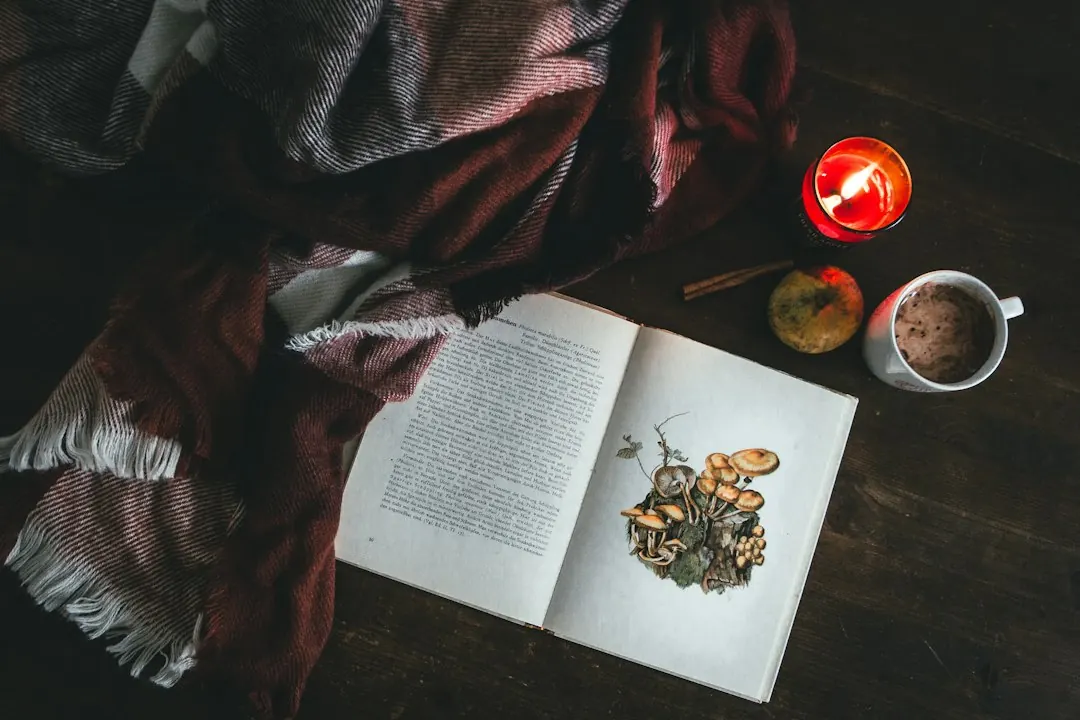
Photo credit: Sixteen Miles Out (via Unsplash)
Last updated: October 4, 2026
Why Christmas Alone Hits Differently Than Any Other Day
Being by yourself isn’t automatically hard, plenty of people genuinely enjoy solitude most of
the year without any trouble. What makes December 25th specifically different is the cultural
noise around it, every advertisement, every social media post, every store display assumes a full
table and a crowded living room, and that constant backdrop can make an ordinary day of solitude
feel heavier than it would on any other date. A 2023 survey of 2,061 U.S. adults, run by The Harris Poll for the American Psychological Association, found that 89% said something typically causes them stress in the holiday season. Missing family or loved ones was named by 38% of respondents. So feeling low at this time of year is common, not unusual.
Reframe Before You Plan Anything
The APA’s holiday guidance, “Holidays don’t have to mean excess stress,” suggests reframing how you think about the season. A simple first step is to reframe the day itself before you try to fill it with activity. “Alone” and “lonely” get treated as synonyms, but they’re not the
same thing, a day spent entirely by choice and on your own terms can be restorative rather than
sad, the difference is mostly in how you set it up rather than the bare fact of being alone.
Deciding in advance that this is a day you’re choosing to spend a specific way, rather than a day
that’s simply happening to you, changes the entire emotional frame before a single plan gets made.
Build a Day That Has Real Structure
An unstructured day alone tends to feel longer and heavier than a structured one, even when
nothing about the actual solitude changes. Setting a rough shape for the day in advance, a
specific time to get up, a real meal rather than snacking through the day, one planned activity in
the afternoon and one in the evening, gives the day a shape to move through rather than an open
stretch of time with nothing anchoring it. This doesn’t need to be elaborate, the structure itself
is doing the work, not the specific activities chosen.
Ways to Stay Connected Without a Big Gathering
Connection and a crowded room aren’t the same thing, and a single meaningful phone or video call
scheduled in advance, at a specific agreed time, tends to land better emotionally than several
passive, unplanned texts scattered across the day. The APA suggests talking about your worries with close friends and family, and a short, warm call that you both know is happening ahead of time carries real weight precisely
because it was planned rather than an afterthought from either side.
Treat Yourself Like You’d Treat a Guest
It’s easy to let a solo Christmas default to the bare minimum, cereal for dinner, no real
effort, simply because there’s no one else to perform the holiday for. A small, deliberate shift
in framing helps here: cook or order the meal you’d actually want to serve a guest, use the good
dishes, play music, light something festive. None of this requires anyone else in the room to be
worth doing, the effort itself is what turns the day into something chosen and cared for rather
than something merely endured. Our Christmas drink
recipes and Christmas movie guide both
work well for exactly this kind of solo, self-directed holiday.

Volunteering and Helping Others as a Genuine Option
It’s a common enough suggestion that it risks sounding like a cliche, but the APA’s holiday guidance does recommend it: it says helping others, for example by volunteering at a shelter or soup kitchen, may lift your mood and help you put your own struggles in perspective.
Many shelters, food banks and community meal programs specifically need more help on and around
the holiday itself, when regular volunteers often have their own family plans, which means a
same-day or short-notice offer to help is often genuinely useful rather than redundant. It also
solves the structure problem from earlier in this guide and the connection problem at the same
time, in a single activity.
When It’s More Than Just the One Day
There’s a meaningful difference between a day of chosen solitude that feels fine, or even good,
and a deeper, ongoing loneliness that Christmas simply happens to make more visible. If what
you’re feeling extends well past the day itself, or feels heavier than the suggestions above seem
able to touch, that’s worth taking seriously rather than pushing through alone. The 988 Suicide and Crisis Lifeline is available by call or text, every day of
the year including the holidays, for exactly this kind of situation, reaching out is a reasonable
and genuinely supported option, not a last resort.
Frequently Asked Questions
Is it normal to feel sad about spending Christmas alone?
Yes. In a 2023 survey by The Harris Poll for the APA, 89% of U.S. adults named something that typically causes them stress in the holiday season, and 38% named missing family or loved ones.
What is a good first step if I’m spending the day alone?
Giving the day some structure can help: a set wake time, a proper meal and one or two planned activities. The exact activities matter less than having a plan.
Does volunteering on Christmas actually help, or is that just a cliche?
It can help. The APA says helping others, such as by volunteering, may lift your mood and give you perspective. It does not replace talking to people you trust, but it adds structure and contact with others.
When should I seek more support than just a self-care plan?
If the feeling extends well beyond the day itself or feels heavier than planning a good day alone can address, reaching out to a resource like the 988 Suicide and Crisis Lifeline is a reasonable, supported next step, not an overreaction.