
Photo credit: Danae Callister (via Unsplash)
Last updated: October 4, 2026
Why the Holidays Are Genuinely Riskier for Pets
Christmas changes a home’s entire layout and routine in ways that create real, specific hazards
most owners don’t think through in advance. A tree, a new source of climbable, chewable branches,
appears indoors for the first time all year. Unfamiliar foods sit at nose height on coffee tables
and counters for days at a stretch. Houseguests come and go, doors open and close more often, and
routines shift enough that an anxious or curious pet has more opportunity than usual to get into
something they shouldn’t. None of this requires a careless owner, it’s simply a different
environment than the other 11 months, and the hazards below are worth walking through once before
the season gets busy rather than figuring out after an emergency vet visit.
Many holiday pet emergencies come from a short, predictable list of causes, not random bad luck. Knowing that list in advance is most of
the prevention required.
Decorations That Look Harmless But Aren’t
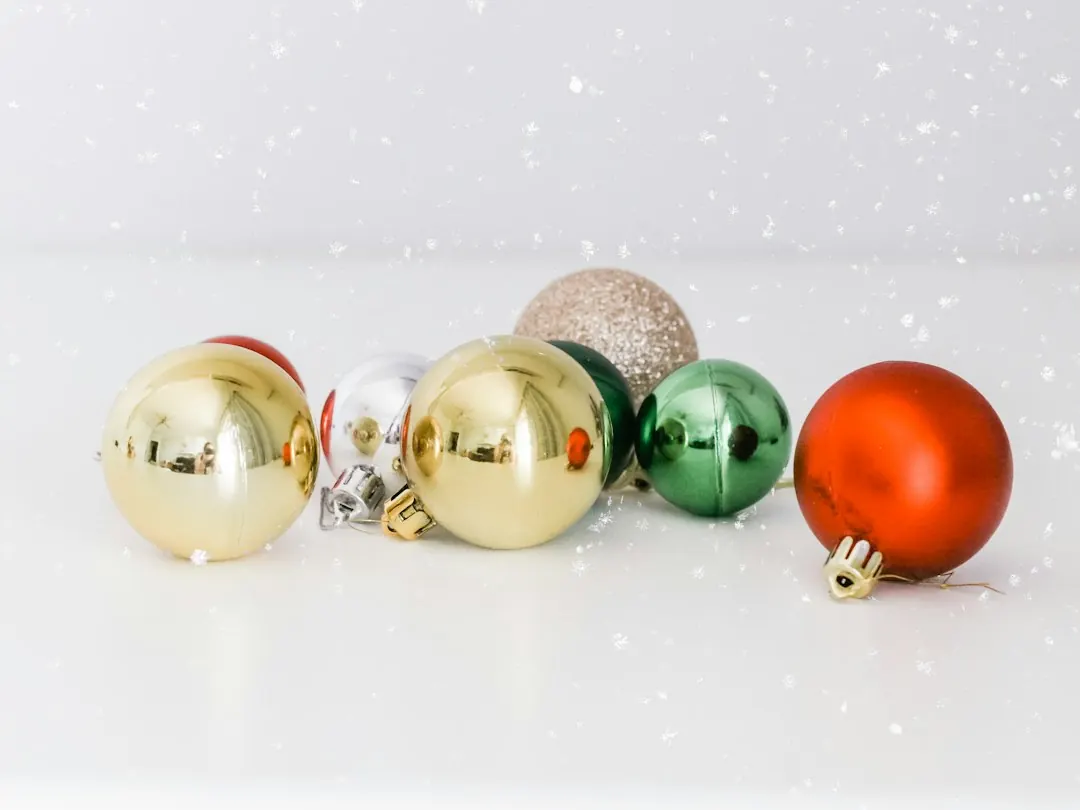
Tinsel is a well-known hazard, especially for cats, who are drawn to its movement and shine. The ASPCA’s holiday safety guidance says ingested tinsel can cause severe vomiting, an obstructed digestive tract and dehydration, and could even require surgery. The AVMA adds that tinsel, ribbons and wreaths can cause choking or intestinal blockage if swallowed. A cat batting at a dangling ribbon can end up swallowing it. Glass ornaments and metal ornament hooks are a second category entirely, a dropped and broken
ornament leaves sharp fragments at exactly the height a curious nose or paw will find first, and a
swallowed hook can cause internal injury well before any outward symptom shows up.
The simplest fix for most of this isn’t constant supervision, it’s substitution. Skipping tinsel and ribbon, or hanging them well out of reach, removes the hazard instead of trying to manage around it.
Holiday Plants to Keep Well Out of Reach
Poinsettias have a reputation as deadly that is overstated. The ASPCA says they can make pets sick with mild to moderate stomach irritation. Mistletoe and holly are more serious: the ASPCA says both can cause stomach upset and cardiovascular problems if a pet eats them. The plant that deserves the most caution by far is the lily, true lilies are
highly toxic to cats specifically, capable of causing acute kidney failure from even a small
amount of pollen or a nibbled leaf, a risk level in a completely different category from the
poinsettia myth.
If you’re not certain which specific plants are in a holiday arrangement someone’s given you, treating anything unfamiliar as off-limits to pets until you’ve checked is the safer default than assuming it’s fine.
Food Table Hazards Beyond the Obvious
Chocolate toxicity is well known enough that most owners already watch for it, but the holiday
food table has several less obvious risks. Alcohol left unattended in a glass can make a dog or cat seriously ill, and the ASPCA advises never leaving drinks where pets can reach them. Cooked bones, especially
poultry bones from turkey or ham, splinter in a way raw bones don’t, and splinters can perforate
the digestive tract. Sugar-free baked goods and sweets that contain xylitol are a serious hazard for dogs. The AVMA says xylitol has been linked to liver failure and death in dogs. Fatty table scraps, even from “safe” meats, can trigger pancreatitis in a pet
that doesn’t normally eat rich food, showing up as vomiting and lethargy a day or two after a big
holiday meal rather than immediately.
Christmas Tree Specific Hazards
A tree introduces three separate risks worth planning for individually. First, a tree that
isn’t securely anchored can tip if a pet climbs or pulls on low branches, the AVMA’s
winter holiday pet safety guidance specifically recommends securing the tree to prevent this.
Second, the water in a tree stand becomes a breeding ground for bacteria within days, and if it’s
accessible to a curious pet, drinking it can cause nausea or diarrhea, a simple stand cover solves
this completely. Third, the strings of lights running up through the branches present an
electrical hazard to a pet that chews, a genuinely serious risk including burns and electric
shock, which is a strong argument for keeping cords tucked away from the tree’s base rather than
trailing loosely where a pet naturally investigates.
Managing Noise, Guests and Holiday Stress for Anxious Pets
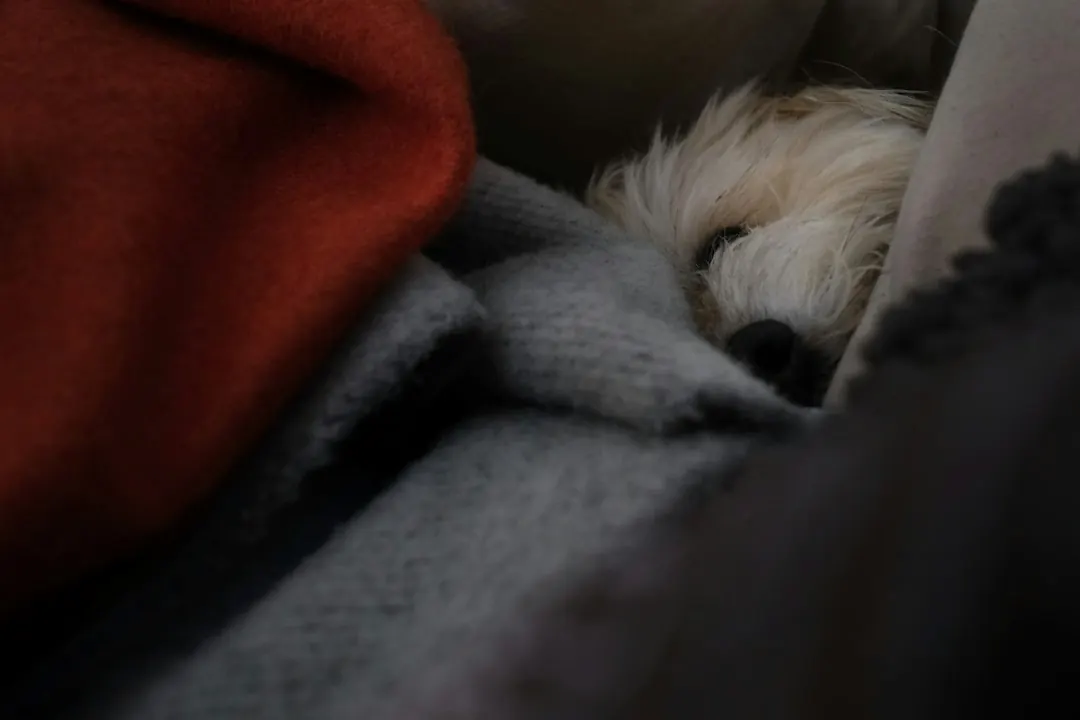
The social side of the holidays is its own category of risk, separate from anything physical.
More visitors, more noise, doors opening and closing more frequently, and a disrupted routine are
all genuine stressors for a pet prone to anxiety, and a stressed pet is considerably more likely to
bolt through a door left open a beat too long, or to react defensively to an unfamiliar guest
reaching to pet them. Setting up one quiet, pet-accessible room away from the main gathering, with
their usual bed and water, gives an overwhelmed pet somewhere to retreat to rather than forcing them
to tolerate the full event. Reminding guests, especially kids, not to approach a retreating pet is a
simple step that prevents a meaningful share of holiday pet-related incidents.
What to Do If Your Pet Eats Something They Shouldn’t
If you catch or suspect an ingestion of anything covered above, the first move is to identify
exactly what was eaten and roughly how much, that detail changes what a vet or poison control line
will tell you to do next. The ASPCA Animal Poison Control Center and most local emergency vet
clinics operate every day through the holiday season specifically because this is a predictably
higher-volume time, don’t wait to see if symptoms appear before calling. Keeping a vet or poison
control number saved in your phone before the season starts, rather than searching for one in a
panic, is a small step that saves real time in an actual emergency.
Frequently Asked Questions
Are poinsettias actually dangerous to pets?
Less than their reputation suggests. The ASPCA says poinsettias can cause mild to moderate stomach irritation. True lilies are far more dangerous, because they are highly toxic to cats.
What is a major pet hazard at Christmas?
Tinsel and ribbon are well-known holiday hazards for cats, because swallowing them can block the digestive tract and sometimes needs surgery.
Can Christmas tree water actually make a pet sick?
Yes. Standing tree water becomes a bacteria breeding ground within days, and if a pet drinks it, nausea or diarrhea is a common result, a covered tree stand prevents this entirely.
What should I do if my dog eats something toxic over the holidays?
Identify what and roughly how much was eaten, then call your vet or a poison control line immediately rather than waiting for symptoms, holiday-season emergency lines are specifically staffed for this. If you are looking for more ideas, see our Christmas gifts for pets guide. You might also enjoy our guide to homemade Christmas dog treats.