
Last updated: October 4, 2026
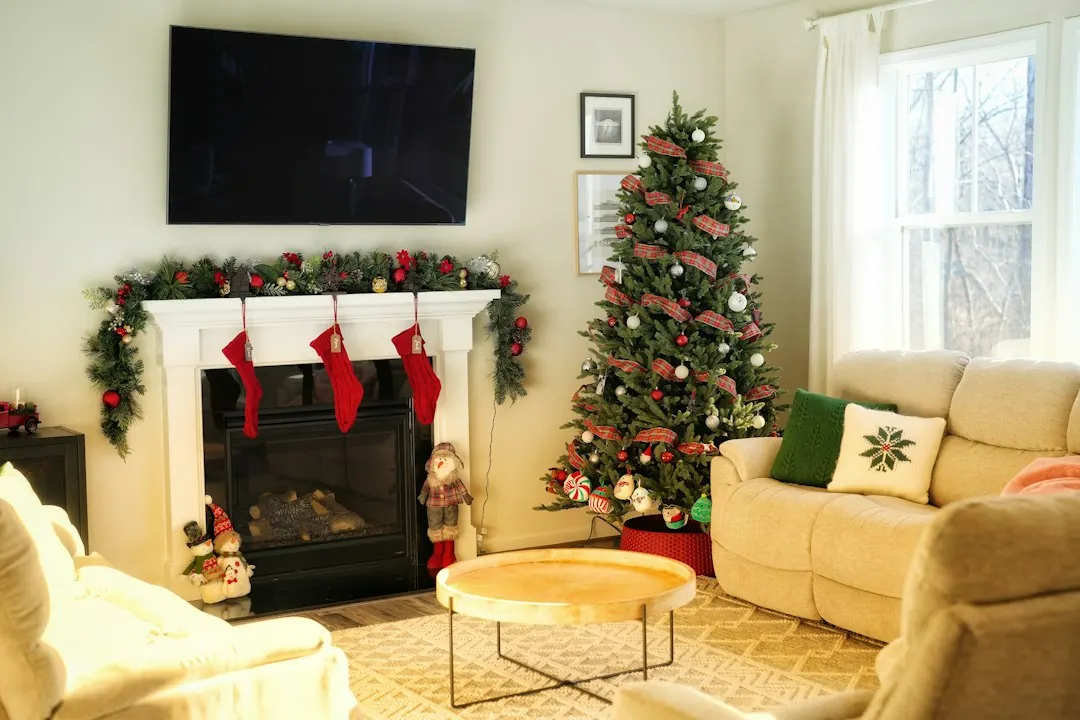
Decorating on a Budget Is About Priorities, Not Deprivation
A few well-placed, higher-impact decorations beat many small, scattered ones, on a limited
budget, spending on a handful of focal points (the tree, the front door, the main gathering
space) matters more than spreading a small budget evenly across the whole house.
Free and Near-Free Decor
Pinecones, evergreen branches, and other natural materials gathered outdoors, paper snowflakes,
and repurposing last year’s ribbon or ornaments all cost nothing or close to it while still adding
real visual warmth.
Where to Actually Spend If You Have Some Budget
Lights offer the best return per dollar of anything on a decorating budget, a well-lit room
reads as festive even with minimal other decor, prioritize lighting over additional ornaments or
knickknacks if the budget is genuinely tight.
Reusing and Storing for Next Year
Buying slightly better-quality decorations that store well and survive multiple seasons is
cheaper over a 3-5 year window than replacing cheap decorations annually, budget decorating is
partly a multi-year strategy, not just a single-season one.
Room-by-Room Budget Decorating
Decorating one room at a time makes a budget go further. In the living room, focus on the tree, a garland on the mantel and some soft lighting. In the dining room, a simple runner and a few candles is enough. In the entryway, a wreath on the door and a small display on a table welcome guests. In the kitchen, a few sprigs of greenery and a festive tea towel are plenty. Bedrooms and bathrooms can have a small touch, such as a candle or a seasonal pillow.
Concentrate on the spaces where you and your guests spend the most time, and leave the rest simple.
DIY Decor From Everyday Items
Many beautiful decorations can be made from things you already have. Glass jars become lanterns with a tea light and a ribbon. Old books can be folded into a tree shape. Wine corks, buttons, cardboard and string can all be turned into ornaments. Pages from old maps or sheet music can be wrapped around candle holders or cut into stars. An old picture frame can display a Christmas card or a child’s drawing.
- Jar lanterns: clean jars with ribbon and a battery tea light.
- Paper chains and stars: from scrap paper or wrapping offcuts.
- Cinnamon and orange garlands: from dried slices, threaded on twine.
- Framed cards: display last year’s cards in a gallery on the wall.
Shopping Secondhand and After-Season Sales
Charity shops, car-boot sales, online marketplaces and community groups often have decorations at low prices. Look for items made of durable materials, such as glass ornaments, wooden figures and good-quality lights, and test any electrical items before buying. After Christmas, many stores cut prices on decorations dramatically, and buying then for next year is one of the most effective ways to save.
Make a note of your color scheme before you shop, so that new items match what you already have.
Lighting on a Budget
Lighting is the most efficient way to create a festive atmosphere. LED string lights are inexpensive and energy-efficient, and can be draped over a mantel, wrapped around a banister or placed in a jar. Candles, either real or battery-powered, add warmth, and switching off the main light in the evening and relying on soft lamps makes a room feel cozy. Always follow the safety instructions, and never leave candles or lights unattended.
Keeping It Safe, Tidy and Pet-Friendly
A beautiful display is only worth it if it is safe. Keep candles away from flammable materials, use stable stands, and make sure that cables are not a tripping hazard. If you have young children or pets, avoid small, breakable or toxic decorations within reach, and keep poinsettias, holly and mistletoe out of reach of animals. Decorating is also easier when you keep the space tidy: store packaging and spare items out of sight.
A Simple Budget Decorating Plan
Set a budget in advance, even a small one. List the areas you want to decorate and rank them by importance. Spend first on lights, then on a few focal pieces and use free or homemade items to fill in. Track what you spend, and stop when you reach your limit. At the end of the season, pack decorations carefully and note what worked, so that next year you can build on the display without starting from scratch.
Decorating for Renters and Small Spaces
If you rent your home or have little space, choose decorations that cause no damage and store flat. Use removable adhesive hooks and strips for lightweight items, and check the weight rating. Hang a garland from a curtain rod or a shelf, display cards on a ribbon stretched along a wall and use a small tabletop tree rather than a full-size one. Window clings and paper decorations are easy to remove, and fairy lights can be draped over a headboard or a bookshelf.
Read your lease for any restrictions on nails, tape or exterior lights before you begin.
Winter Decor That Lasts Past December
One way to get more from your decorating budget is to choose items that suit the whole winter rather than only Christmas. White lights, evergreen branches, pinecones, candles, knitted blankets and snowflake shapes feel seasonal without being tied to a single holiday, so they can stay up through January. Keep the clearly Christmas items, such as Santa figures and red-and-green ribbon, for the festive weeks, and leave the rest in place for a gentler winter look.
This approach spreads the cost over a longer period, reduces the effort of taking everything down at once and keeps the house feeling warm after the holiday ends.
Frequently Asked Questions
What’s the single best place to spend a limited decorating budget?
Lighting. A well-lit space reads as festive even with minimal other decor, and it’s the highest visual return per dollar of any common decorating category.
Are natural, gathered decorations actually free?
Largely yes, pinecones, evergreen branches, and similar materials found outdoors cost nothing beyond the time to collect them, and they add genuine texture and warmth.
Is it cheaper to buy new decorations every year or invest in better ones?
Over a multi-year window, investing in decorations that store well and survive multiple seasons is usually cheaper than replacing cheap ones annually.