
Last updated: October 4, 2026
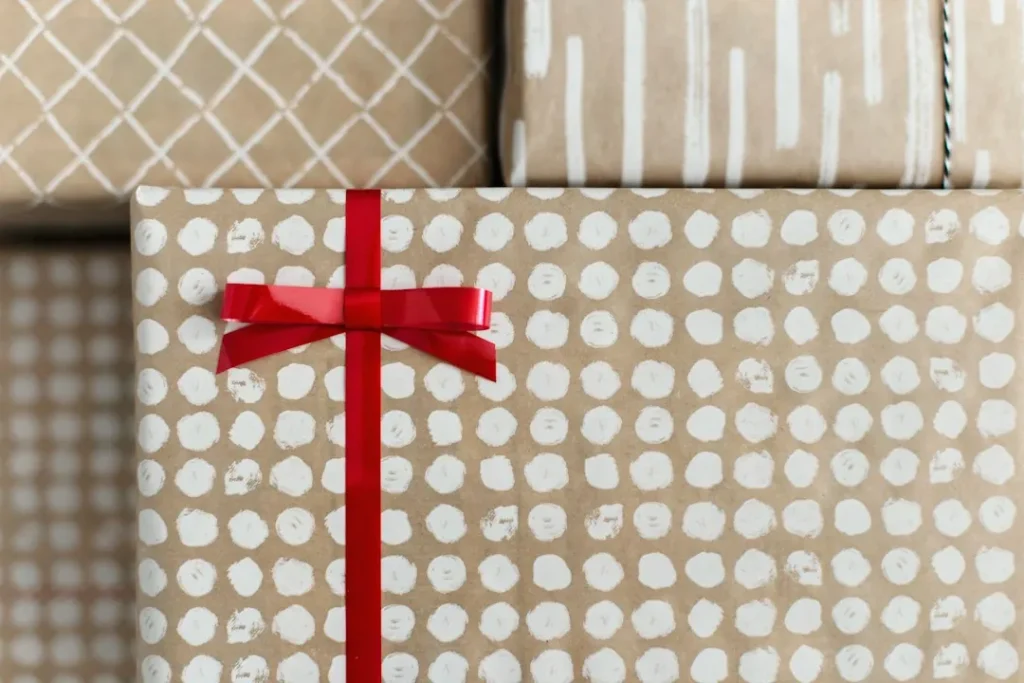
The Supplies That Actually Make a Difference
Double-sided tape (invisible from the outside, unlike regular tape), a ruler or straight edge,
and sharp scissors matter more than expensive paper. A cheap roll of paper wrapped cleanly looks
better than premium paper wrapped sloppily.
Measuring and Cutting Correctly
Roll the box across the paper to measure width rather than guessing, and add about 2 inches of
overlap. For length, the paper should wrap around the box’s height twice on each end with enough
to fold in cleanly, most wrapping looks messy specifically because too much or too little paper
was cut at this step.
The Fold That Separates Amateur From Clean
At each end, fold the two side flaps in to make clean triangular points before folding the top
and bottom flaps down, this “hospital corner” style fold is what creates crisp, straight edges
instead of the bunched-up look most gift wrapping ends up with.
Finishing Touches
A single ribbon tied with the ends trimmed at an angle (not straight across) looks
noticeably more finished. Skip the pre-made bow if going for a cleaner look, a simple ribbon plus
a sprig of greenery or a handwritten tag reads more intentional than an oversized bow.
Wrapping Awkward Shapes: Cylinders, Bottles and Soft Items
Not every gift is a neat box, and these are the cases where wrapping becomes difficult. For a bottle, place it on its side on a rectangle of paper long enough to roll around it with extra at both ends, then gather and tie the ends with ribbon. For a cylinder, such as a tube or a can, cut a rectangle that wraps once around, tape the seam and scrunch and tie the ends. Soft items such as clothing or scarves can be placed in a box or wrapped in tissue paper, then in paper.
For very awkward gifts, a gift bag with tissue paper is a good alternative, and for large items, a fabric cloth tied at the top can look elegant.
Eco-Friendly Wrapping Ideas
Wrapping creates a lot of waste, but there are many alternatives. Brown kraft paper, which is often recyclable, can be decorated with stamps, string and greenery. Fabric wrapping, in the Japanese style known as furoshiki, uses a square of cloth that the recipient can reuse. Old maps, newspaper, sheet music or children’s drawings make charming wrapping. Reusable gift bags and tins are a lasting option.
Note that some wrapping papers are laminated or contain glitter or foil and cannot be recycled. A quick test is to scrunch the paper in your hand: if it holds its shape, it is likely recyclable, and if it springs back, it is not. Choose recyclable options where you can, and keep ribbons and bows to reuse.
Ribbons, Bows and Tags
Ribbons and tags finish a gift and give it character. Cut ribbon with a diagonal or V-shaped end to avoid fraying. For a simple look, wrap a ribbon around the box once in each direction and tie a knot or a bow where it crosses. To make a classic bow, make two loops, cross them and tie a knot in the center, then adjust the loops and trim the tails.
Handwritten tags add a personal touch. Add a short message as well as the name, and attach the tag with a ribbon or a loop of string. Consider using natural embellishments, such as a sprig of rosemary, a dried orange slice or a small pinecone.
Wrapping for Kids and Surprise Gifts
Children enjoy the surprise of unwrapping, and a few tricks add to the fun. Use bright, bold paper, and wrap a big gift in a series of boxes, or hide a small gift in a larger package. For a surprise that cannot be wrapped, such as a bike, hide it and give a clue card. For toys that need batteries, include them in the package, and wrap sharp or fragile items with care.
If you are wrapping for a child who is excited and might peek, hide the gifts and wrap late in the evening, and keep a list of what is in each package so that you can match tags correctly.
Speed Wrapping and Staying Organized
Wrapping dozens of gifts can be tiring, but a good setup saves time. Clear a flat surface, gather all supplies and set up a station with paper, tape, scissors, ribbon and tags. Wrap similar items together, label each gift as you go and keep a list. Play music and have a drink nearby to make it enjoyable. If you are short on time, choose gift bags for odd shapes, and wrap the neat boxes first.
Wrap in batches over several evenings rather than all at once, and keep wrapped gifts in a hidden spot so that they stay a surprise.
Fixing Common Wrapping Mistakes
Most mistakes can be fixed without starting again. If you have cut the paper too short, cover the gap with a ribbon or a contrasting strip of paper. If the paper has creased or torn, hide the flaw under a bow or tag. If the folds are bulky, trim the excess before taping. If tape is visible, cover it with a sticker or label. Practice on a spare box if you are unsure, and remember that a little imperfection shows that the gift was wrapped by hand.
Frequently Asked Questions
What’s the single biggest thing that makes wrapping look amateur?
Using too much tape visible from the outside. Double-sided tape hidden under folds, versus visible strips of regular tape, is the single biggest visual difference between amateur and clean-looking wrapping.
How much paper overlap is correct?
About 2 inches of overlap where the paper meets in the middle of the box is enough to secure it cleanly without excess bulk.
Do gift bags count as “proper” wrapping?
They’re a completely acceptable alternative for oddly-shaped items, tissue paper fanned out at the top of a gift bag with the tag attached to the handle looks just as finished as paper-wrapped boxes.