
Last updated: October 4, 2026
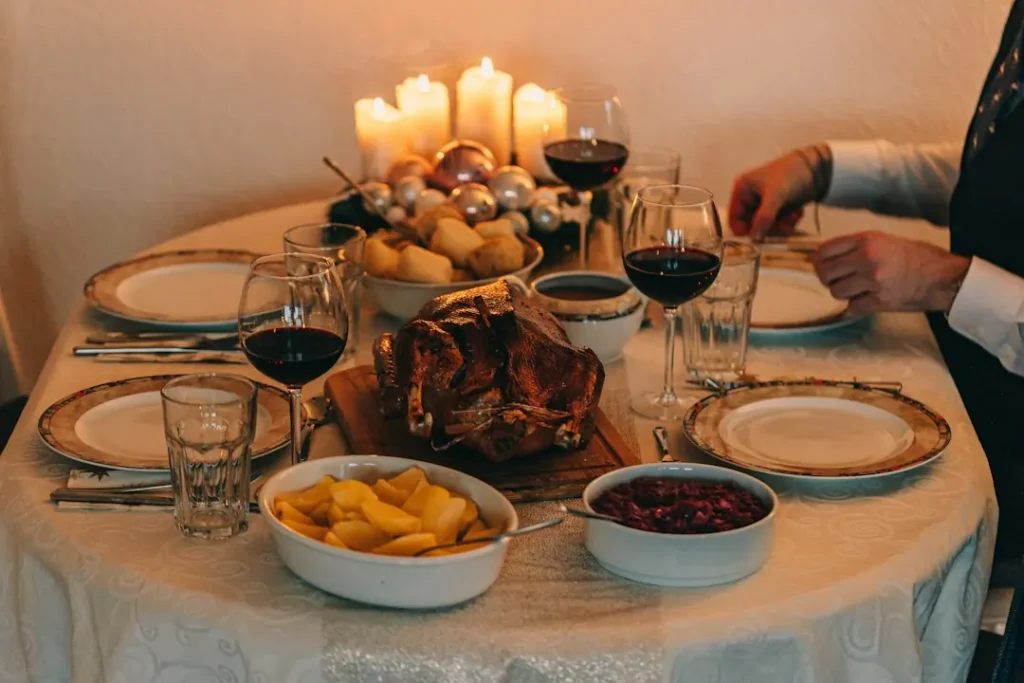
Building a Menu That Doesn’t Overwhelm the Cook
The biggest mistake in Christmas dinner planning isn’t picking the wrong dishes, it’s picking
too many dishes that all need the oven or stovetop at the same final 30 minutes. This guide
groups dishes by what they actually need, so the whole menu is schedulable, not just individually
good.
The Main: Pick One, Not Three
Roast turkey remains the most common centerpiece, but a smaller roast chicken, a ham, or a
beef roast are all equally traditional depending on the household and easier to manage for a
smaller gathering. Picking one main and doing it well beats attempting multiple proteins.
Sides That Can Be Made Ahead
Mashed potatoes (reheat well), a make-ahead green bean casserole, cranberry sauce (better made
a day early anyway), and a bread stuffing that bakes separately from the bird all reduce
same-day stress. Save only 1-2 sides for last-minute finishing, everything else should already be
done before guests arrive.
Dessert: Keep It to Two Options
A classic pie (pumpkin or pecan) plus one lighter option (a trifle, or simple cookies) covers
most preferences without turning dessert into its own multi-hour project. Both can be fully made
the day before.
Planning Your Menu and Timeline
A successful Christmas dinner depends on a clear timeline. Work backward from the time you want to serve. Write down each dish with the time it needs to cook, the oven or hob it uses and what can be prepared in advance. A simple schedule on paper, taped to the kitchen wall, will keep you on track and let you spot clashes before they happen.
A good rule is to have most of the work done the day before. Peel vegetables, make sauces, assemble desserts and set the table so that on the day itself you are mostly reheating and finishing.
Choosing and Cooking the Main Dish
The main dish sets the tone. Choose a protein that suits your numbers and your confidence. A turkey is traditional but needs time for thawing, roasting and resting. A chicken, a ham or a joint of beef is easier for smaller groups. Whatever you choose, use a meat thermometer to check that it is cooked to a safe temperature, and let it rest before carving, since resting keeps the juices in the meat.
If you are using a frozen bird, make sure it is fully thawed. Large birds can take several days in the refrigerator, so check the packaging and plan well ahead. Follow food safety guidance carefully, and wash your hands and surfaces after handling raw meat.
Classic Sides and Sauces
Sides are where a Christmas dinner gets its character. Roast potatoes, glazed carrots, green beans, braised red cabbage and Brussels sprouts are all traditional. Stuffing, gravy and cranberry sauce complete the plate. Choose dishes with different textures and colors, and balance rich foods with something fresh or slightly sharp.
- Gravy: make a base ahead and finish it with the pan juices.
- Cranberry sauce: better made a day early, and it keeps for several days.
- Vegetables: par-cook or prepare in advance, then finish with butter or herbs.
Catering for Dietary Needs
It is increasingly common to cater for guests with different diets. Ask in advance about allergies, vegetarian or vegan preferences and any religious or medical restrictions. A hearty vegetarian main, such as a nut roast, stuffed squash or a mushroom wellington, can sit comfortably alongside the traditional dishes, and many sides can be made vegetarian by using vegetable stock and oil in place of animal fats.
Label dishes that contain common allergens such as nuts, dairy, gluten or eggs, and keep serving utensils separate to avoid cross-contamination.
Drinks and Table Extras
A good drink selection rounds out the meal. Offer a welcome drink on arrival, such as mulled wine or sparkling juice, plus water and a non-alcoholic option for guests who prefer it. A bottle of red and a bottle of white are usually enough for the table. Remember tea and coffee for after dinner.
Small extras make the table feel special: crackers, candles, name cards and a simple centerpiece of greenery. They do not need to be expensive, and they add to the sense of occasion.
Handling Leftovers Safely
Leftovers are one of the pleasures of Christmas, but they need care. Cool cooked food quickly, within about two hours, and store it in the refrigerator in shallow, covered containers. Eat leftovers within a few days, and reheat them until they are steaming hot throughout. If you want to keep food for longer, freeze it promptly and label the container with the date.
Sample Menus for 4, 8 and 12 Guests
The size of the party shapes the menu. For four guests, a roast chicken or a small turkey crown, roast potatoes, two vegetables, stuffing, gravy and one dessert is plenty. For eight, a turkey or large roast, three or four sides, a starter such as soup and two desserts work well. For twelve or more, consider a buffet-style spread with a ham alongside the turkey, extra sides that can be made ahead and a dessert table.
A general guide is to allow around 450 grams (one pound) of bone-in meat per person, and to cook a little extra if you want leftovers. Check cooking times for the weight of your joint.
Catering for Children and Picky Eaters
Not everyone loves a traditional Christmas plate. Offer a smaller portion for children, and include familiar items such as plain potatoes, carrots and bread. Serve sauces and gravy on the side, and allow children to choose from the dishes without pressure. A simple alternative, such as pasta or a sandwich, can be a fallback. Encouraging children to try one new item, without forcing, keeps the meal relaxed.
Frequently Asked Questions
What can realistically be made a day ahead?
Cranberry sauce, most pies, stuffing (unbaked, then baked fresh), and mashed potatoes (reheat with a splash of milk) all hold up well made the day before.
How many sides is “too many” for a Christmas dinner?
Four to five sides is usually the practical ceiling for a home cook working solo; beyond that, quality and timing both start to suffer.
What’s the most common Christmas dinner timing mistake?
Not accounting for oven space. If the turkey needs the oven until an hour before serving, plan sides that finish on the stovetop or were made ahead, not ones also needing oven time at that exact window. For more on this, see our guide to a Christmas charcuterie board.